Showing posts with label helthy life. Show all posts

Thursday, February 23, 2012

Qnexa Proponents Ask U.S. Experts To Back The Obesity Drug

Qnexa


* Qnexa helped patients lose weight
* One ingredient tied to birth defects
* Uncertain effect on the heart
* FDA advisory panel to vote on drug Wednesday afternoon
* Vivus shares halted pending vote


By Anna Yukhananov

SILVER SPRING, Md., Feb 22 (Reuters) - Proponents of a new obesity medication from Vivus Inc told U.S. reviewers on Wednesday that the drug's health benefits exceed heart and birth defect risks.

A panel of outside experts to the Food and Drug Administration will vote later on Wednesday on whether to recommend approval for what would be the first new prescribed drug for obesity in 13 years.

The FDA first rejected Vivus' Qnexa in 2010 because of safety problems, along with two other obesity pills that are also seeking a second round of consideration.

The FDA usually follows panel recommendations, although it is not required to. It will make a final decision by April 17.

Qnexa, which combines the appetite suppressant phentermine and anti-seizure drug topiramate, helped patients lose at least 10 percent of their weight after a year of treatment, the company said .

Obesity, a leading cause of diabetes, heart disease and other serious health problems, has reached epidemic proportions in the United States, with about a third of the population obese and more than half overweight.

"Back in medical school, I was taught that when the risk of not treating the condition exceeds the risk of treating it, we should treat," said Dr. Arya Sharma, a chair in obesity research at the University of Alberta in Canada and paid consultant to Vivus.

"We have an obligation to change how we measure obesity. Qnexa addresses an urgent and substantial unmet medical need for our patients," he told panelists.

The FDA has set a high approval bar for weight loss drugs because such a large portion of the general population is likely to want to take them, and has not approved a new obesity drug since 1999.

Also, many diet pills have been linked to serious heart-related risks.

But patient groups say the FDA is holding obesity drugs to a higher standard than other treatments because of views that it is a choice, not a disease. They are urging the FDA to approve new obesity drugs that would give patients another option between lifestyle changes and surgery.

Shares of Vivus were halted on Nasdaq on Wednesday pending the outcome of the FDA panel meeting. They closed at $10.55 on Tuesday, well above the stock's low around $4.70 after the pill was first rejected.


SAFETY RISKS

FDA staff presenting on Wednesday said the key issues with Qnexa were about safety, not efficacy.

Staff reviewers have said patients taking the drug had more safety problems, including memory loss and higher heart rates, than those on a placebo, and some of these problems could get worse over time.

They have also noted that exposure to one of the ingredients in Qnexa has been linked to a higher rate of birth defects.

A Vivus study showed topiramate caused a higher rate of oral clefts in infants of women taking the drug during pregnancy, and the company said it would limit Qnexa to women who are not pregnant.

The FDA has said the rate of potential birth defects is about two to five times higher with topiramate than with placebo.

Vivus officials said obesity, and its common symptom diabetes, come with their own risks to pregnancy, such as stillbirth, premature birth and other complications.

The FDA and the company generally agreed on a program to mitigate the drug's risks to pregnant women, including limiting the drug to certified pharmacies and training doctors who would prescribe it.

Panelists will discuss whether they think the program is stringent enough to protect patients from the risk of birth defects.

In clinical trials, Qnexa also increased patients' heartbeats, leading to fears it may have negative effects on the heart. However, Vivus said the drug also reduced blood pressure, and a link between heartbeat and heart health was not conclusive. (Reporting by Anna Yukhananov; Editing by Tim Dobbyn)


Tags: Qnexa, to mobile,which mobile,samsung galaxy is,what is the samsung galaxy,samsung galaxy samsung,the galaxy samsung,samsung galaxy at,what is samsung galaxy,samsung samsung galaxy,samsung galaxy galaxy,samsung galaxy,galaxy samsung,samsung galaxy a,samsung galaxy in,samsung galaxy samsung galaxy,the samsung galaxy,what is the galaxy s,galaxy s,galaxy s how to,how to galaxy s,for galaxy s,what is galaxy s,a galaxy s,about galaxy s,the galaxy s,mobiles,samsung galaxy s in,how to samsung galaxy s,samsung galaxy s how to,samsung galaxy galaxy s,cell phones,mobile phones,cellphone,samsung galaxys,smartphone,apps for android,android apps,apps android,galaxy samsung 2,samsung wave,samsung mobile,mobile samsung,android applications,best phone,android phone,mobilephones,samsung star,why is nexus s,nexus s nexus s,how to nexus

Monday, January 2, 2012

6 Big HealthTech Ideas That Will Change Medicine In 2012


HealthTech
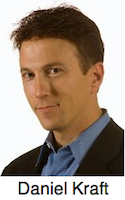
“In the future we might not prescribe drugs all the time, we might prescribe apps.” Singularity University‘s executive director of FutureMed Daniel Kraft M.D. sat down with me to discuss the biggest emerging trends in Health Tech. Here we’ll look at how A.I, big data, 3D printing, social health networks and other new technologies will help you get better medical care. Kraft believes that by analyzing where the field is going, we have the ability to reinvent medicine and build important new business models.
For background, Daniel Kraft studied medicine at Stanford and did his residency at Harvard. He’s the founder of StemCore systems and inventor of the MarrowMiner, a minimally invasive bone marrow stem cell harvesting device. The following is rough transcript of the 6 big ideas Kraft outlined for me at the Practice Fusion conference


Artificial Intelligence

Siri and IBM’s Watson are starting to be applied to medical questions. They’ll assist with diagnostics and decision support for both patients and clinicians. Through the cloud, any device will be able to access powerful medical AI.
For example, an X-ray gun in remote africa could send shots to the cloud where an artificial intelligence augmented physician could analyze them. Pap smears and some mammograms are already read with some AI or elements of pattern recognition.
This has the potential to disintermediate some fields of medicine like dermatology which is a pattern based field — I look at the rash and I know what it is. Soon every primary care doctor is going to have an app on their phone that can send photos to the cloud. They’ll be analyzed by AI and determine “oh that mole looks like a dangerous melanoma” or “it’s normal”. So the referral pattern to the dermatologist will slow down.
On the plus side, there are consumer apps likeSkin Scan where for $5 you can take a picture of lesion and send it to the cloud, and it will at least give you an idea if it’s dangerous or not. If it is, it can help you find a nearby doctor, which could help dermatologists get more business. Many fields are going to change because of artificial intelligence, pattern recognition, and cheaper tests.

Big Data

We’re gaining the ability to get more and more data at lower and lower price points. The primary example is the human genome and genomic sequencing. It cost a billion dollars or more 10 years ago to get a complete human sequence. However, the cost and speed of getting that data has dropped faster than Moore’s law to the point where it’s less than $5,000 when ordered online. From 23andMeyou can now get a cheap snip test, and it has a pilot program for $999 for a whole exam.
Maybe there were 10,000 patients sequenced last year. Next year it could be 100,000 and soon millions. A genome sequence could be the cost of a blood count today.  When that information becomes queryable in an a crowdsourced and cloudsourced way we can be more predictive about what you’re more likely to get based on your genomics. You can then take preventative steps or get screened more often.
So we’re pulling in huge data sets from low-cost genomics to proteomics (analyzing the proteins in the blood) to quantifiable self. The challenge is to make sense of that data and make it actionable information without making the patient or doctor overwhelmed.
I think we need to make smart dashboards like they have for fighter pilots. They would piece together data from ubiquitous sensors, like those made by GreenGoose, and Microsoft Kinect that can measure your activity around the house. It would be like the OnStar for your body that could give you clues about when you’re about to get in trouble, and it could call for help or guide you to appropriate therapy.

3D Printing

3D printing has been around for a while but now it’s being applied to medicine in ways such as being able to scan the remaining leg of a patient that’s missing one from an accident. It can then build a prosthetic leg with skin and size that matches. 3D printing is integrating with the fast-moving world of stem cells and regenerative medicine with 3D ink being replaced by stem cells. In the future we’ll probably use 3D printing and stem cells to make libraries of replacement parts. It will start with simple tissues and eventually maybe we’ll be printing organs.

Social Health Network

Social networks have the ability to change our behavior. When you wireless weight scale shares metrics with your friends, you get praised for success and pressured if you’re not maintaining your diet. Social networks are also quite powerful for tracking and predicting disease. James Fowler, co-author of the book Connected is now working with Facebook to look at health data. Not surprisingly, the more friends you have, the earlier in the flu season you’ll get influenza. This could help predict when you’ll get the flu and let you take steps to avoid it.
We’re in the Facebook era, and are more open to sharing information in the healthcare spectrum. Individuals will share their whole history through services including PatientsLikeMe andCureTogether where patients with similar problems from migraines to Lou Geghrig’s disease will consolidate health information. This will enable improvements in clinical trials.
Genomera is trying allow for low-cost web-based clinical trial around any question. Practice Fusioncan also crowdsource that data from its electronic medical records. By collecting data from all the patients within a hospital or a region you can see trends and almost run clinical studies on the fly. For example you could see all the patients that have this gene and that are taking this drug, and determine if that drug is effective for them or not.

Communication With Doctors

New communication platforms similar to a Skype or FaceTime will help you communicate differently with your clinician. Many of these things are basically already here. The challenge is often not the technology but the regulatory and reimbursement markets around them. If you’re going to be talking with your clinician on your iPhone you may need to do that in a HIPAA privacy protected way. The physician is also going to want to be paid for that in some way. They’re not going to want to get all your data every time you have a hiccup or look at your iPhone pictures of your rash unless there’s a way to get paid.
The regulatory system needs to adapt towards to becoming Accountable Care Organizations, which reward clinicians and healthcare plans for keeping patients healthy opposed to paying them to do extra procedures. This contrasts with a model of paying them for service like putting in stents and doing things after a problem has already progressed. Incentives need to be aligned and reimbursement needs to change to enable some of these new technologies to actually enter the clinic.

Mobile

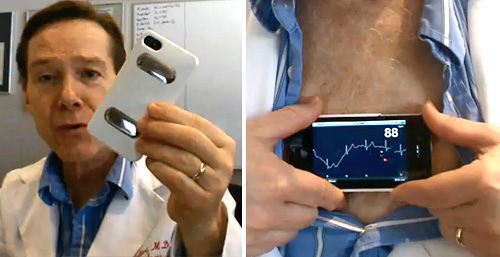
The ability to have your phone tie to your healthcare record and track medical metrics will have vast repercussions. Though some aren’t cleared for sale in US yet, devices like the Alivecor electrocardiogram can monitor your heart in realtime, send the data to the cloud, and allow your cardiologist to look at it instantly. Other devices are turning phones into otoscopes for looking in your ears, or glucometers for monitoring blood sugar.
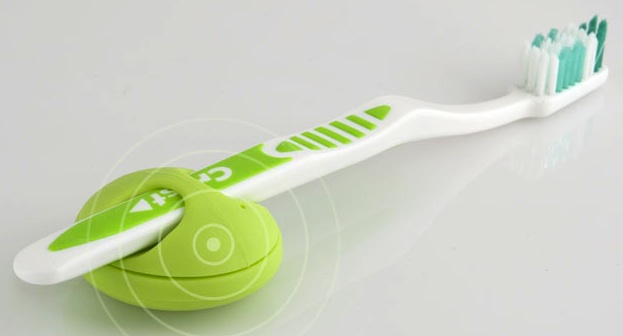
Quantified self devices like the Fitbit, Jawbone Up, and more medically themed devices will take what you used to do dsin a clinic or hospital and bring it home. This will allow therapies to be tuned much more effectively than scribbling data on a piece of paper and bringing it in to your doctor months later.
Eventually these devices will converge into the equivalent of Star Trek tricorder that can perform a wide variety of medical functions. There’s even an $10 million X Prize proposed to reward the inventor of the first functional tricorder.
Unfortunately, the strict regulatory system and entrenched, interested of the United States are pushing innovation offshore. A lot of the work for using mobile phones for health care is happening in Africa and India. Since there are few physicians in some of these areas mobile health and telemedicine are taking off. For example, microfluidics allows multiple tests to be done on a small chip at pennies per test, with the ability to connect to the web for analysis. The US will need to find a way to solve these regulatory problems while keeping patients safe, otherwise jobs and revenue could slip abroad.


Via:TechCrunch